
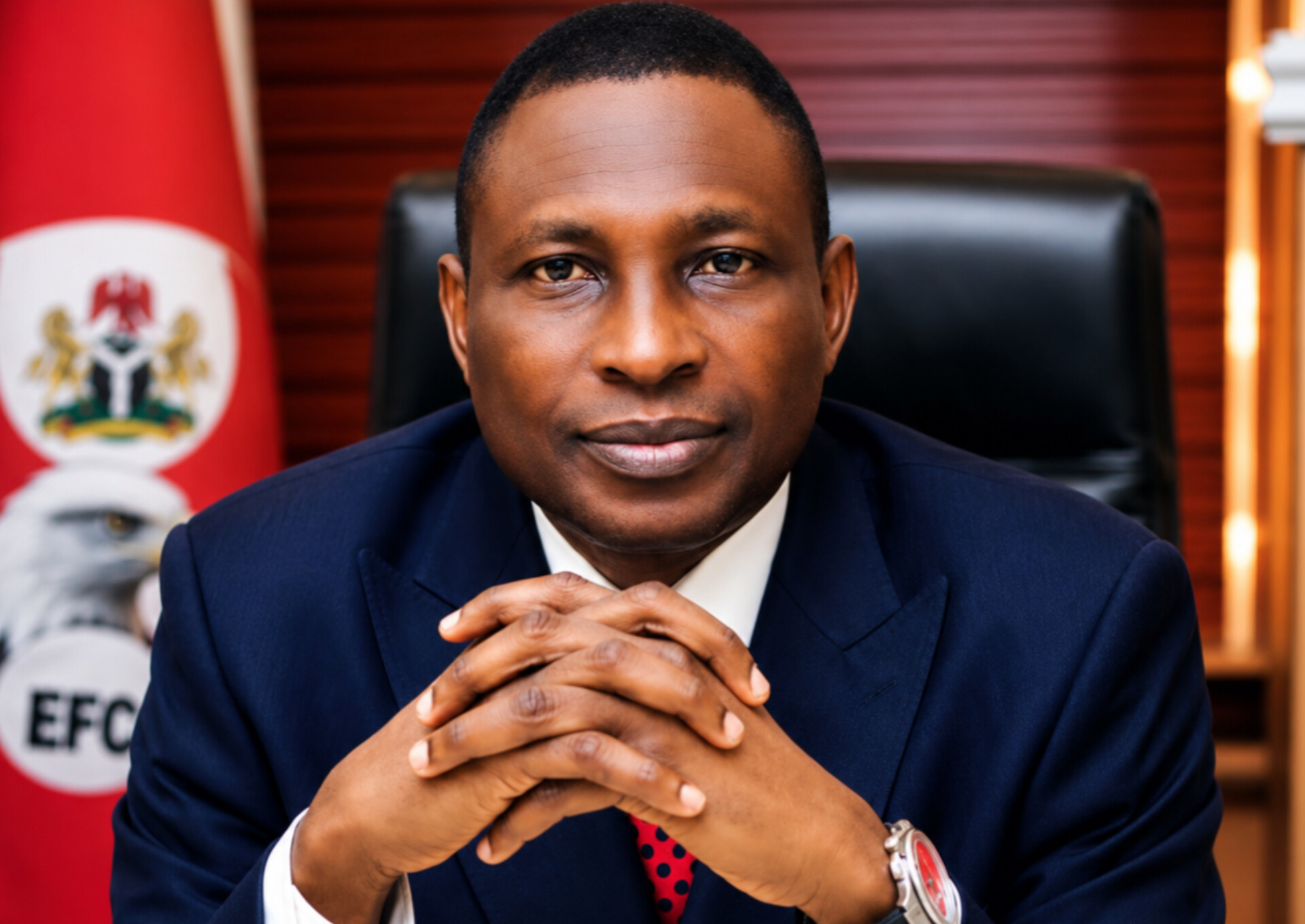
The Price of a Governorship Ticket: EFCC Cites ₦30bn Primary Spending
As Nigeria gradually shifts its attention toward the 2027 general elections, concerns about the cost of political participation are once again taking center stage. A recent statement by the Chairman of the Economic and Financial Crimes Commission (EFCC), Ola Olukoyede, has reignited discussions about the growing influence of money in the country’s electoral process.
Speaking at a public lecture at the Centre for Peace and Strategic Studies, University of Ilorin, Kwara State, Olukoyede alleged that some governorship aspirants in Nigeria spend as much as ₦20 billion to ₦30 billion during party primary elections. The anti-corruption chief described the development as troubling, warning that the increasing financial burden associated with securing political office could have far-reaching consequences for governance, accountability, and public trust.
The revelation has sparked conversations among political observers, civil society groups, and citizens who continue to question the sustainability of Nigeria’s increasingly expensive political landscape.
A Growing Cost of Political Competition
Political primaries serve as the gateway to elective office in Nigeria. Before candidates can appear on general election ballots, they must first secure the nomination of their political parties. Over the years, these contests have become fiercely competitive, particularly for governorship and presidential tickets.
While campaign expenditures have long been a feature of Nigerian politics, Olukoyede’s remarks suggest that spending has reached unprecedented levels in some cases. According to him, the amounts allegedly being spent by certain aspirants raise serious concerns about the motivations behind seeking public office.
The EFCC chairman argued that when individuals invest enormous sums in the pursuit of political positions, there is a heightened risk that they may view public office as an avenue for recovering those investments rather than serving the interests of citizens.
His comments align with longstanding concerns raised by governance experts who argue that excessive campaign spending can weaken democratic institutions and create incentives for corruption.
Why the Allegation Matters
Although Olukoyede did not publicly identify any specific governorship aspirants or provide detailed evidence to support the figures cited, his statement is significant because it comes from the head of Nigeria’s foremost anti-corruption agency.
For many observers, the issue extends beyond the exact amount allegedly spent. Instead, the broader concern revolves around the increasing commercialization of politics and the barriers it creates for capable individuals who lack substantial financial resources.
Critics of Nigeria’s electoral financing system argue that the rising cost of political participation often discourages young people, professionals, women, and grassroots leaders from seeking elective office. As campaign costs continue to climb, political competition risks becoming accessible only to wealthy individuals or those with access to powerful financial networks.
This, analysts say, could limit diversity in governance and reduce opportunities for fresh perspectives within political leadership.
Vote Buying and Electoral Integrity
During his remarks, Olukoyede also addressed the issue of vote buying, which has remained one of the most persistent challenges confronting Nigeria’s electoral system.
According to the EFCC chairman, the agency has made arrests across different parts of the country for vote-buying and related electoral offences. He stated that investigations and prosecutions have involved not only politicians but also electoral officials and private citizens found to have participated in electoral misconduct.
Vote buying has attracted increasing attention in recent election cycles, with observers reporting instances where voters were allegedly offered cash or other incentives in exchange for electoral support.
Electoral experts warn that such practices undermine democratic values by shifting electoral decisions away from policy debates and candidate competence toward immediate financial rewards.
For anti-corruption advocates, combating vote buying is essential to strengthening public confidence in elections and ensuring that elected officials are chosen based on merit and popular support rather than financial influence.
Technology as a Tool Against Electoral Offences
One of the notable aspects of Olukoyede’s presentation was the EFCC’s indication that technology may play a larger role in future election monitoring efforts.
According to the EFCC chairman, the commission is exploring the deployment of drones and other technological tools to monitor and detect incidents of vote buying and electoral malpractice during future elections.
The proposal reflects a broader global trend in which technology is increasingly being used to enhance transparency and accountability in electoral processes.
Supporters of such initiatives argue that improved surveillance and monitoring could help deter electoral misconduct and provide investigators with evidence when violations occur.
However, some experts note that technology alone cannot solve electoral challenges. They argue that success will depend on strong institutions, effective law enforcement, public awareness, and political commitment to upholding democratic principles.
The Relationship Between Money and Governance
The concerns raised by the EFCC chairman also touch on a deeper question: what happens when political campaigns become excessively expensive?
Political scientists have long argued that the cost of elections can influence governance outcomes. In environments where political office requires enormous financial investments, elected officials may face pressure from sponsors, donors, or political allies who contributed to their campaigns.
Such dynamics can create conflicts between public interest and private obligations.
While campaign financing is a legitimate aspect of democratic politics, transparency advocates emphasize the need for clear disclosure requirements and effective enforcement of spending regulations.
They argue that voters have a right to know who finances political campaigns and how campaign resources are utilized.
Strengthening transparency mechanisms, they say, can help reduce opportunities for corruption while promoting greater accountability in public office.
Calls for Electoral Reform
The latest comments from the EFCC are likely to intensify calls for reforms aimed at reducing the role of money in politics.
Civil society organizations have repeatedly advocated stricter enforcement of campaign finance regulations, stronger oversight of political party finances, and harsher penalties for electoral offences.
Others have called for reforms within political parties themselves, arguing that transparent and credible primary elections are critical to strengthening Nigeria’s democracy.
Some observers believe that reducing nomination fees and enhancing internal party democracy could encourage broader participation and make political contests more accessible.
There are also calls for increased voter education to discourage vote buying and encourage citizens to make electoral decisions based on policies, competence, and leadership qualities.
Public Reactions and Debate
Public reaction to Olukoyede’s statement has been mixed.
Some Nigerians view the allegation as confirmation of long-held suspicions about the financial realities of high-level political contests. For these individuals, the figures cited by the EFCC chairman help explain why political office remains highly competitive and why corruption allegations frequently emerge after elections.
Others, however, have called for additional evidence and greater transparency regarding the claims. They argue that while concerns about political spending are valid, public confidence would be strengthened if specific cases and supporting data were disclosed.
The debate highlights the delicate balance between raising awareness about systemic challenges and ensuring that allegations are supported by verifiable information.
Looking Ahead to 2027
With less than a year before political activities intensify ahead of the 2027 elections, discussions about campaign financing, vote buying, and electoral integrity are expected to remain prominent.
The EFCC’s warning serves as a reminder that the health of a democracy depends not only on the conduct of elections themselves but also on the processes that precede them.
As political parties prepare for future contests and prospective candidates begin positioning themselves, questions about transparency, accountability, and the influence of money will likely shape public discourse.
Whether through regulatory reforms, stronger enforcement, technological innovations, or increased civic engagement, many stakeholders agree that addressing the role of money in politics will be essential to strengthening Nigeria’s democratic institutions.
For now, Olukoyede’s remarks have added a new dimension to the conversation, drawing attention to the enormous financial stakes associated with political ambition and renewing calls for a system where leadership is determined more by ideas and public service than by the size of a campaign budget.
