
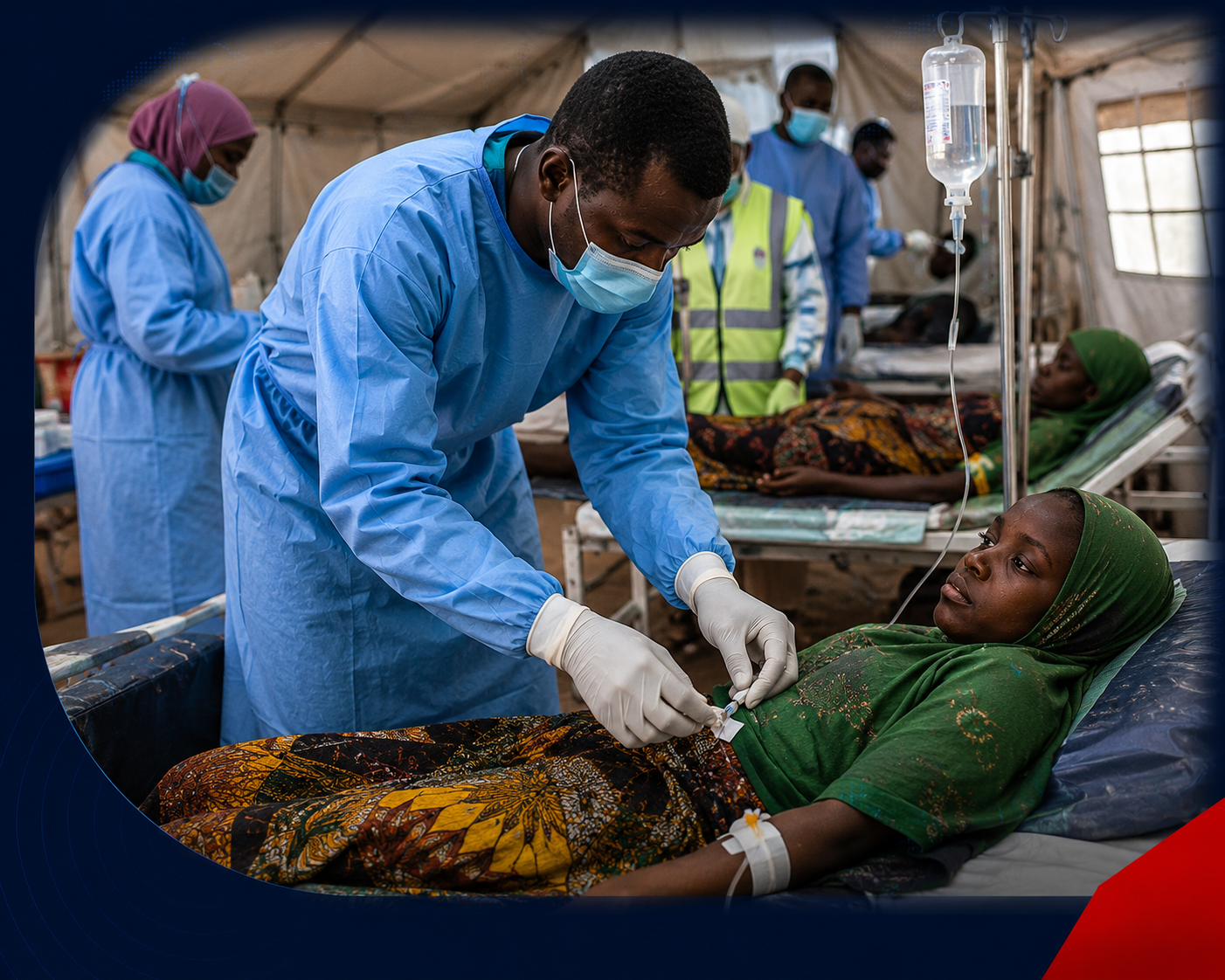
A worsening cholera outbreak in Borno State has become one of Nigeria’s most pressing public health emergencies, with thousands of suspected infections reported across affected communities. Health authorities, humanitarian
agencies, and emergency response teams are working around the clock to contain the spread of the disease, but experts warn that the situation remains fragile.
The outbreak has renewed concerns about access to clean water, sanitation infrastructure, and healthcare services in one of Nigeria’s most vulnerable regions. As new cases continue to emerge, attention is increasingly turning toward both immediate containment efforts and the long-term challenges that have allowed cholera to remain a recurring threat.
While cholera outbreaks are not new to Nigeria, the scale and speed of transmission in parts of Borno have once again highlighted the urgent need for stronger public health systems and sustainable investments in water and sanitation services.
Understanding Cholera and Why It Spreads So Quickly
Cholera is an acute diarrheal disease caused by infection with the bacterium Vibrio cholerae. The disease is typically transmitted through contaminated food or water and can spread rapidly in communities where sanitation systems are inadequate.
One of the most dangerous aspects of cholera is how quickly it can lead to severe dehydration. Without prompt treatment, patients can deteriorate within hours, making early detection and access to healthcare critical.
Health experts note that outbreaks often occur in areas where residents struggle to access clean drinking water and where waste management systems are insufficient. During the rainy season, floodwaters can contaminate water sources, increasing the risk of widespread transmission.
These conditions are unfortunately common in many parts of northeastern Nigeria, particularly in communities already facing humanitarian challenges.
Why Borno Is Especially Vulnerable
Borno State has endured years of conflict, displacement, and infrastructure damage that have placed enormous pressure on public services.
Large populations of internally displaced persons continue to live in camps and host communities where access to essential services remains limited. Many settlements face challenges related to overcrowding, water shortages, and inadequate sanitation facilities.
These conditions create an environment in which infectious diseases can spread rapidly.
Public health experts have repeatedly warned that unless water and sanitation systems are strengthened, outbreaks of cholera and other waterborne diseases are likely to continue occurring.
The current outbreak has exposed the extent to which many communities remain vulnerable despite ongoing humanitarian interventions.
Thousands Affected as Cases Continue to Rise
Reports from health authorities indicate that thousands of suspected cholera cases have been recorded across multiple local government areas in Borno State.
Treatment centers have experienced increasing patient numbers, with healthcare workers responding to a growing demand for medical care. Many patients have required urgent rehydration therapy, while others have needed intensive medical monitoring due to severe symptoms.
The rise in infections has created additional pressure on health facilities that are already managing other healthcare challenges.
Medical workers on the frontlines have emphasized the importance of early treatment. Cholera is highly treatable when patients receive timely care, but delays in seeking medical attention can significantly increase the risk of complications.
Public health officials continue to encourage residents to report symptoms immediately and seek treatment at designated healthcare facilities.
Healthcare Workers Face an Uphill Battle
Doctors, nurses, and emergency response teams are playing a crucial role in the fight against the outbreak.
Across affected communities, healthcare workers are conducting case identification, treatment, community education, and surveillance activities. Temporary treatment centers have been established in some locations to accommodate rising patient numbers and improve access to care.
Despite these efforts, significant challenges remain.
Some healthcare facilities face shortages of essential resources, while difficult road conditions and security concerns can complicate access to remote communities.
Healthcare professionals also face the challenge of combating misinformation. In some areas, misconceptions about disease transmission can discourage people from seeking treatment promptly or adopting preventive health measures.
To address this, health authorities and humanitarian organizations have expanded awareness campaigns aimed at educating communities about cholera prevention and treatment.
Government Response Intensifies
The Borno State Government, in collaboration with federal agencies and development partners, has intensified efforts to contain the outbreak.
Emergency response measures include:
- Enhanced disease surveillance.
- Rapid case detection and reporting.
- Deployment of healthcare personnel.
- Distribution of medical supplies.
- Community awareness campaigns.
- Water and sanitation interventions.
Authorities have also increased public messaging on hygiene practices, emphasizing handwashing, safe water storage, and proper food handling.
These interventions are designed not only to reduce current infections but also to prevent further spread into unaffected communities.
Public health officials say coordinated action remains essential, particularly as movement between communities can contribute to disease transmission.
The Critical Role of Clean Water and Sanitation
Experts widely agree that cholera cannot be eliminated through medical treatment alone.
Long-term prevention depends heavily on improving access to clean water and sanitation services.
Many affected communities continue to rely on water sources that may be vulnerable to contamination. In some areas, damaged infrastructure and limited resources make it difficult to guarantee safe drinking water.
Sanitation challenges also remain significant. Poor waste disposal systems can increase environmental contamination, creating additional opportunities for disease transmission.
Public health specialists argue that sustainable investments in water infrastructure could dramatically reduce the likelihood of future outbreaks.
Improving sanitation facilities, expanding access to clean water, and strengthening hygiene education programs are frequently cited as some of the most effective strategies for preventing cholera.
The Humanitarian Dimension of the Crisis
Beyond the health implications, the outbreak is also creating broader humanitarian concerns.
Families affected by cholera often face additional financial and social burdens. Medical expenses, lost income, and caregiving responsibilities can place considerable strain on households already experiencing economic hardship.
Children are among the most vulnerable. Severe dehydration can develop quickly in young patients, making timely treatment especially important.
Pregnant women, older adults, and individuals with underlying health conditions may also face elevated risks during outbreaks.
Humanitarian organizations have warned that without sustained support, vulnerable populations could continue to face significant health challenges long after the current outbreak subsides.
Lessons from Previous Cholera Outbreaks
Nigeria has experienced multiple cholera outbreaks over the years, offering important lessons for public health planning and emergency preparedness.
Successful responses have typically combined medical treatment with aggressive community engagement, improved surveillance, and targeted water and sanitation interventions.
Experts note that communities often play a central role in controlling outbreaks. Local leaders, religious institutions, healthcare volunteers, and community organizations can help spread accurate information and encourage preventive behaviors.
Strengthening these community-based networks may prove critical in reducing transmission and improving public health outcomes.
The current outbreak provides another reminder that prevention remains more effective and less costly than emergency response.
What Residents Can Do to Protect Themselves
Health authorities continue to urge residents to adopt preventive measures that can significantly reduce the risk of infection.
Recommended actions include:
- Drinking treated or boiled water.
- Washing hands regularly with soap and clean water.
- Properly cooking food before consumption.
- Keeping food covered and protected from contamination.
- Using hygienic sanitation facilities.
- Seeking medical care immediately if symptoms appear.
Symptoms of cholera may include severe diarrhea, vomiting, dehydration, weakness, and muscle cramps.
Early treatment greatly improves survival rates and reduces the likelihood of serious complications.
Looking Ahead
The cholera outbreak in Borno State serves as a stark reminder of the challenges facing public health systems in vulnerable communities.
While emergency response efforts are helping to manage the current crisis, sustainable solutions will be required to prevent future outbreaks. Investments in clean water infrastructure, sanitation services, healthcare systems, and community education will remain essential components of long-term disease prevention.
For now, authorities, healthcare workers, humanitarian organizations, and local communities continue to work together to contain the spread of the disease and protect lives.
The coming weeks will be critical in determining whether the outbreak can be brought under control. However, beyond the immediate response lies a larger challenge: ensuring that communities have the resources and resilience needed to prevent similar public health emergencies in the future.
As Borno confronts this latest health crisis, the lessons learned may shape not only the state’s response but also broader efforts to strengthen disease prevention and public health preparedness across Nigeria.
