
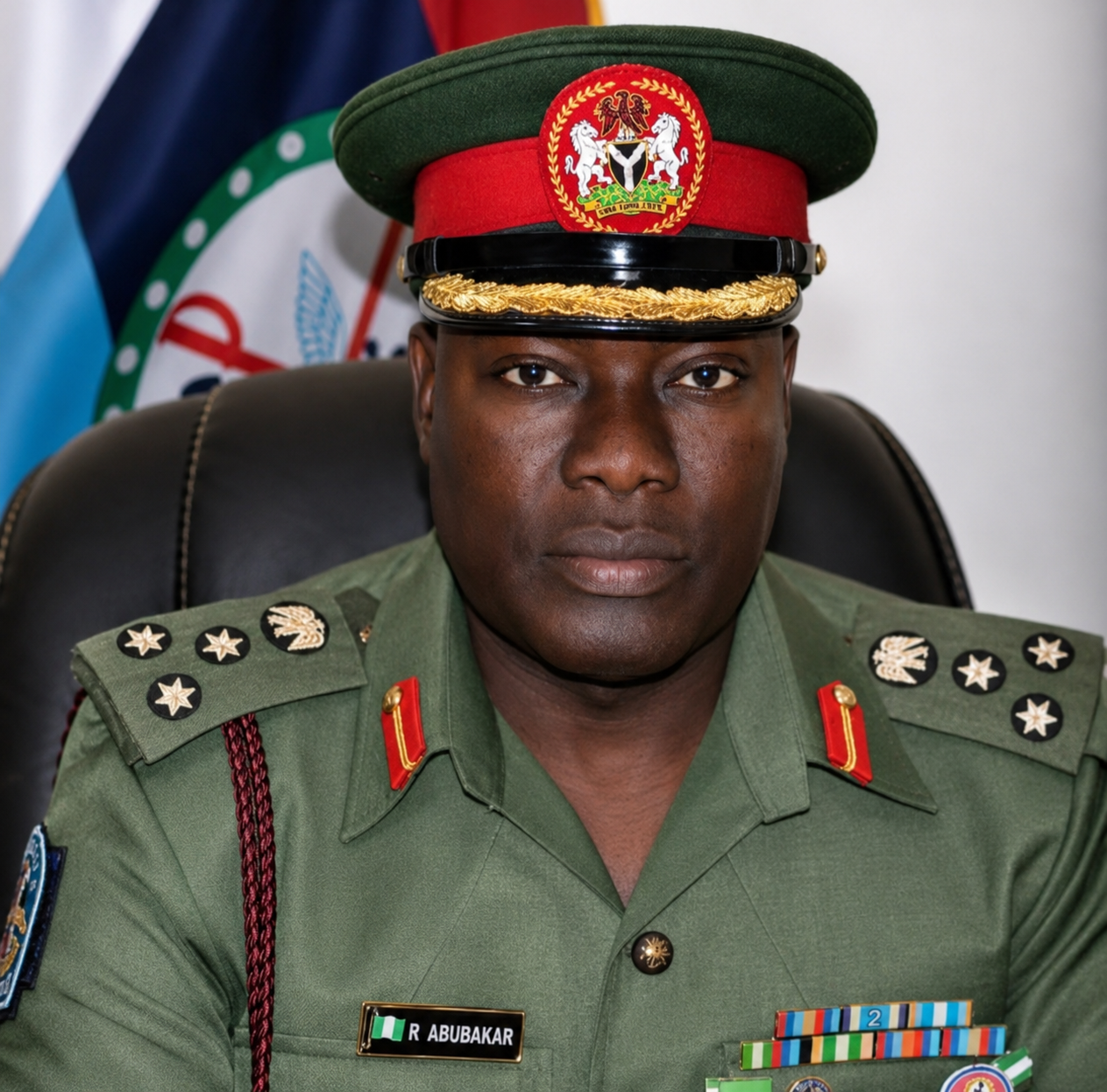
Former Defence Spokesman Dies in Bandits’ Captivity After Weeks of Abduction
Nigeria’s ongoing security challenges have once again come under intense scrutiny following the death of retired Major General Rabe Abubakar, a former Director of Defence Information, while in the custody of bandits who abducted him in Katsina State.
The tragic development has sparked widespread concern among citizens, security experts, and public officials, with many questioning the persistent threat posed by armed criminal groups operating across parts of northern Nigeria despite years of military operations and security interventions.
According to official statements released by the Katsina State Government, Major General Abubakar died while being held captive by his abductors several days after he was kidnapped alongside his wife. Authorities disclosed that the retired military officer reportedly suffered health complications during captivity, a situation that ultimately led to his death before efforts to secure his release could be completed.
His death marks another painful chapter in Nigeria’s long struggle against kidnapping, banditry, and other forms of violent crime that have increasingly affected communities, government officials, traditional rulers, security personnel, and ordinary citizens alike.
A Distinguished Military Career
Major General Rabe Abubakar was widely known within Nigeria’s military establishment for his years of service and contributions to strategic communication and public information management.
As Director of Defence Information, he served as one of the military’s principal spokespersons, often providing updates on military operations and national security matters. Throughout his career, he played a significant role in communicating government security policies and military activities to the public.
Following his retirement from active service, Abubakar remained a respected voice on security issues and was frequently consulted on matters relating to national defence and internal security.
Many colleagues and associates described him as a disciplined officer whose professional life was dedicated to the service of Nigeria.
His death has therefore resonated deeply within military circles, where current and retired personnel continue to mourn the loss of one of their own under such tragic circumstances.
The Abduction Incident
Reports indicate that Major General Abubakar and his wife were abducted by armed bandits from their residence in Katsina State during a late-night attack.
The incident immediately drew national attention due to the victim’s profile as a retired senior military officer and former defence spokesman.
Security agencies reportedly launched efforts to locate the abductors and secure the safe release of the victims. However, despite those efforts, authorities later announced that the retired general had died while in captivity.
While details surrounding the exact circumstances of his death remain limited, officials stated that health-related complications contributed significantly to the outcome.
The fate and condition of his wife have continued to attract public interest as authorities work to provide updates regarding her situation.
Renewed Focus on Nigeria’s Security Crisis
The death of the retired military officer has renewed conversations about the growing insecurity affecting several regions of Nigeria, particularly the North-West and parts of the North-Central zone.
Over the past decade, armed bandit groups have carried out numerous attacks on villages, highways, schools, farms, and residential communities.
Kidnapping for ransom has become one of the most profitable criminal enterprises for these groups, generating millions of naira while leaving victims and their families traumatized.
Despite repeated military offensives, security operations, and government initiatives aimed at restoring order, criminal groups continue to demonstrate the capacity to strike vulnerable targets.
Security analysts argue that the persistence of banditry reflects a combination of factors, including weak governance in remote areas, poverty, unemployment, porous borders, illegal arms proliferation, and inadequate intelligence gathering.
For many Nigerians, the death of a retired Major General in captivity underscores the seriousness of the challenge.
If a former senior military officer can fall victim to such criminal activity, observers argue, then ordinary citizens may feel even more vulnerable.
Public Reactions
News of Abubakar’s death triggered widespread reactions across social media platforms and public discourse.
Many Nigerians expressed shock and sadness over the incident, while others used the opportunity to call for stronger measures against criminal groups operating across the country.
Several commentators highlighted the symbolic significance of the tragedy, noting that it reflects the far-reaching impact of insecurity on all segments of society regardless of social status or professional background.
Military veterans, former colleagues, and community leaders also paid tribute to the late officer, describing him as a patriot who served Nigeria with dedication.
Messages of condolence poured in from various quarters, including security stakeholders, civil society organizations, and members of the public.
Many sympathized with his family and called for justice as authorities continue investigations into the abduction.
Government Response
Following confirmation of the retired general’s death, Katsina State authorities reiterated their commitment to combating criminal activities within the state.
Government officials emphasized that security agencies remain actively engaged in efforts to dismantle bandit networks and rescue victims still being held by kidnappers.
The incident has also prompted renewed calls for enhanced collaboration between federal and state authorities, local communities, intelligence agencies, and security forces.
Experts have repeatedly stressed that defeating banditry requires a comprehensive strategy that combines military action with socioeconomic interventions capable of addressing the root causes of insecurity.
Such measures include improving rural development, creating economic opportunities for young people, strengthening border security, enhancing intelligence capabilities, and expanding community-based security initiatives.
The Human Cost of Kidnapping
Beyond the statistics and security debates, the death of Major General Abubakar highlights the devastating human consequences of kidnapping and violent crime.
Families of abducted persons often endure prolonged periods of uncertainty, emotional distress, and financial hardship while awaiting news about their loved ones.
In many cases, victims are subjected to harsh conditions, inadequate medical care, and psychological trauma during captivity.
Human rights advocates have consistently warned that the growing frequency of kidnappings is creating long-term social and economic consequences for affected communities.
Farmers abandon their lands, businesses reduce operations, schools close temporarily, and residents relocate from high-risk areas.
These disruptions contribute to broader challenges affecting food security, education, and economic development.
Calls for Stronger Action
In the wake of the retired general’s death, security experts and stakeholders have renewed calls for more decisive action against armed criminal groups.
Some have advocated for increased investment in surveillance technology, intelligence gathering, and rapid-response capabilities.
Others have emphasized the importance of addressing underlying socioeconomic issues that contribute to criminal recruitment and instability.
There are also growing demands for greater accountability and coordination among security agencies to improve operational effectiveness.
While government authorities continue to assure citizens of ongoing efforts to restore peace and security, many Nigerians remain eager to see tangible improvements in safety across affected regions.
A Nation Reflects
The death of Major General Rabe Abubakar serves as a sobering reminder of the security challenges confronting Nigeria.
His career was defined by service to the nation, yet his final days were spent in the custody of armed criminals whose activities continue to threaten lives and livelihoods across several parts of the country.
As investigations continue and security agencies pursue those responsible, many Nigerians will remember him not only as a retired military officer and former defence spokesman but also as a victim of a crisis that has touched countless families nationwide.
His passing is likely to reignite discussions about security reform, public safety, and the urgent need for sustainable solutions to the challenges posed by banditry and kidnapping.
For now, the nation mourns the loss of a distinguished officer while reflecting on the broader implications of a tragedy that has once again highlighted the human toll of insecurity in Nigeria.
